Adipose tissue cells with hyaluronic acid: safety and localization in a preclinical study
- 1% hyaluronic acid + adipose tissue stromal cells (ASCs) caused no local or systemic toxicity in animals observed for up to 42 days.
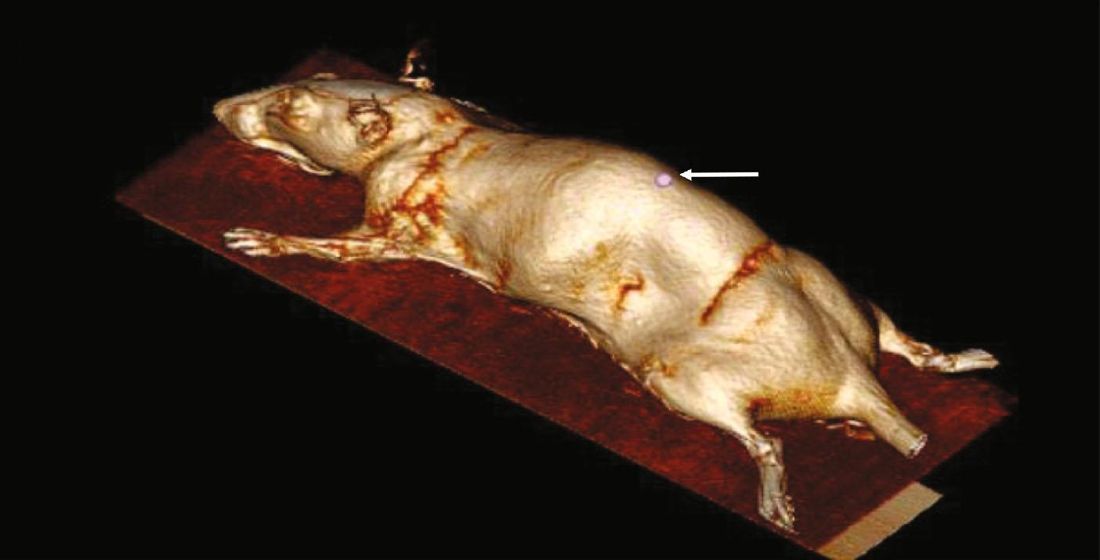
- Cells labeled with technetium-99m remained at the injection site for 24 hours, with no signs of migration to organs (SPECT/CT).
- An animal study: it supports further research, not a clinical indication.
What question does the study answer?
Hyaluronic acid is the most widely used filler in aesthetics, but it has limitations in terms of duration and immune response. Research combines fillers with autologous material from adipose tissue, yet little was known about two questions: is the combination safe? And do the cells stay where they were injected?
How the study was conducted
- Adipose tissue from 20 women (aged 30 to 60) undergoing cosmetic liposuction at Hospital Federal de Bonsucesso (RJ), with consent and ethics approval (protocol 30/10).
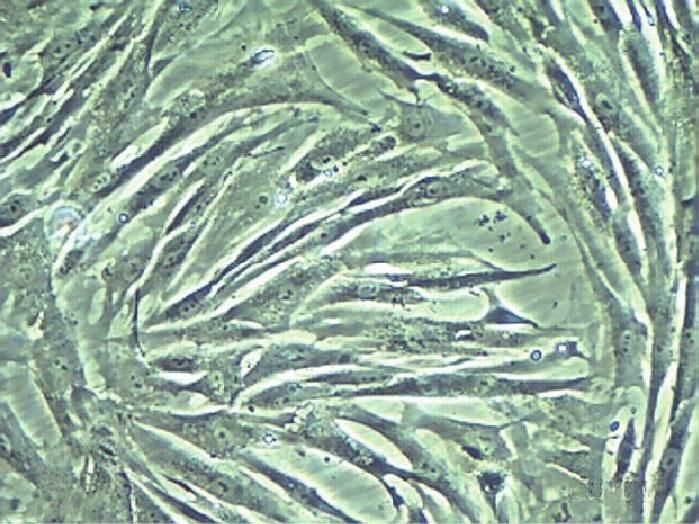
- Cells were isolated and used at passage 3: more than 95% expressed mesenchymal markers (CD105, CD90, CD73) and were capable of differentiating into fat, bone and cartilage.
- Rats received subcutaneous and intraperitoneal injections of saline, 1% hyaluronic acid, cells, cells + hyaluronic acid or an inflammatory control.
- Cells were labeled with technetium-99m (85% efficiency, viability up to 95%) and monitored using SPECT/CT imaging.
What the study found
Weight, water and food intake, blood tests and biochemical tests showed no changes. Expected local inflammation occurred in the groups that received hyaluronic acid, the combination or the inflammatory control. Hyaluronic acid did not alter cell adhesion or morphology in culture.
“This study was designed to rigorously answer two questions before taking any further steps: whether the combination with hyaluronic acid is safe and whether the cells remain where they were administered.”Luis Eduardo da Cruz · study coauthor · Cryopraxis
Frequently asked questions
Does the study show that the procedure works in humans?
No. This is a preclinical study in rats assessing safety and localization. The authors themselves indicate that a volume of up to 0.2 mL should be considered in subsequent studies.
How does this relate to LipAge?
LipAge preserves a portion of the autologous material from an already planned liposuction procedure at Cryopraxis's Cell Technology Center licensed by ANVISA (Brazil's health regulatory agency), for future use upon medical indication. The article illustrates Cryopraxis's line of research involving this type of material.
Who took part?
Researchers from Cryopraxis Criobiologia, Universidade Federal do Rio de Janeiro and Hospital Federal de Bonsucesso; corresponding author: Dr Regina Coeli Goldenberg (UFRJ).
An animal model, a small sample per group (5 animals), localization monitored for only 24 hours and cultured cells, which differ from LipAge's cryopreserved tissue. Any clinical use depends on regulatory review and assessment by the responsible physician.
Reference
- Machado JJS, Piñeiro BG, Ramos IP, de Souza SAL, Gutfilen B, Nicola MH, de Souza PRC, Cruz E, Goldenberg RC. Safety and Localization of Mesenchymal Stromal Cells Derived from Human Adipose Tissue-Associated Hyaluronic Acid: A Preclinical Study. Stem Cells International. 2020;2020:1823427. doi:10.1155/2020/1823427